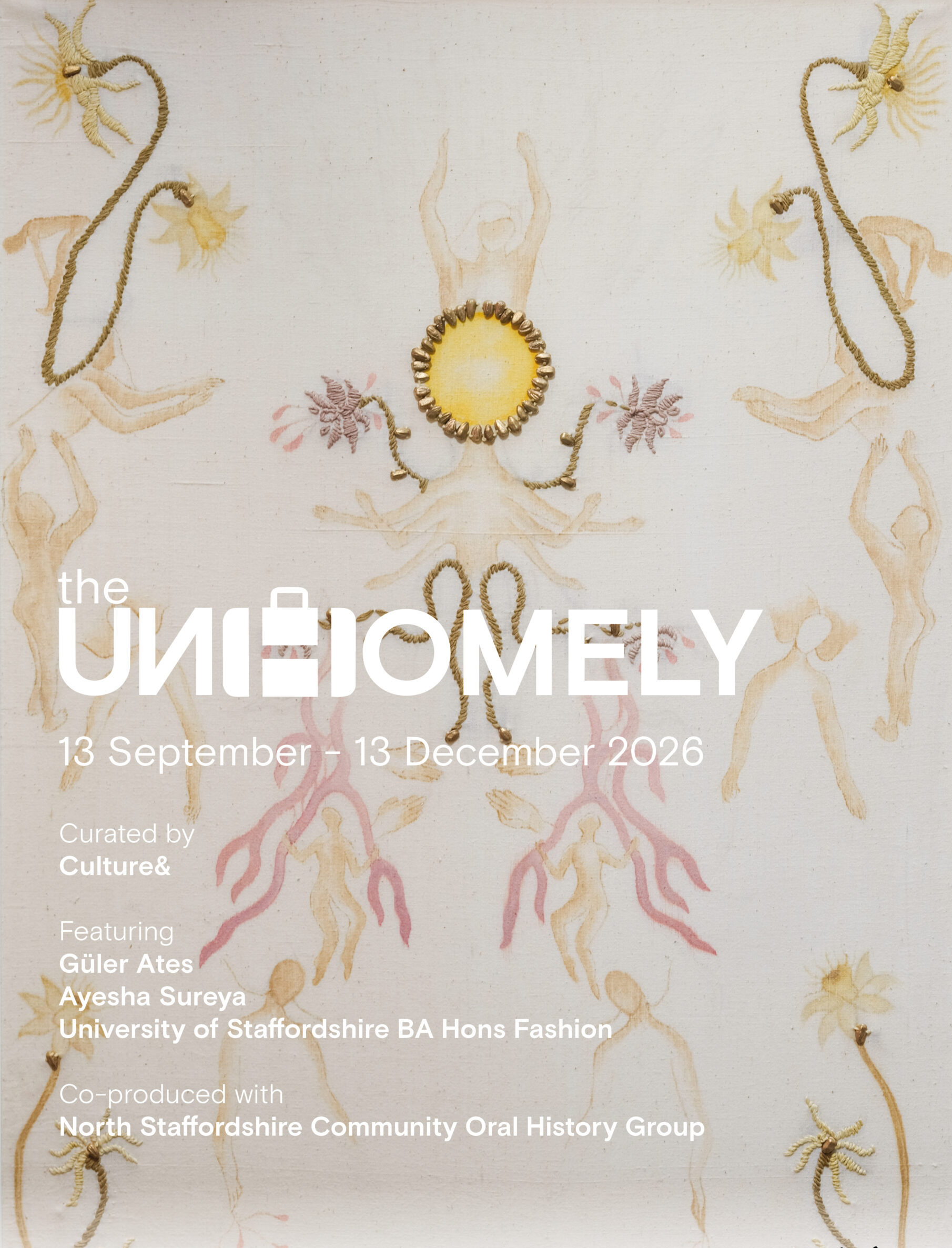
West Midlands & London | 2026 – 2027
Culture& presents The Unhomely, a new public programme and exhibition series taking place in Stoke-on-Trent and London. Working with the Brampton Museum and Museum of the Home, these dual locations will create a conversation across cities, inviting audiences to reflect on the tensions of belonging and the persistence of memory, longing, and identity. Rooted in the psychoanalyst Sigmund Freud’s concept of the uncanny, where the familiar suddenly feels strange, The Unhomely explores the diasporic experience of migration, cultural displacement, and unbelonging. Through stories, objects, and creative commissions, the programme asks: what does it mean to feel at home, and what happens when home becomes unhomely?
Each element of the programme will be shaped by lived experiences of people from Staffordshire and beyond: from domestic objects that carry memories across time and geography, to collective storytelling that reframe the archives of migration and belonging. Stay tuned for updates, on our social media channels, website and newsletter, as we announce artists, partners, and venues in the next few months.
The Unhomely
Multi-sensory Exhibition at The Brampton Museum
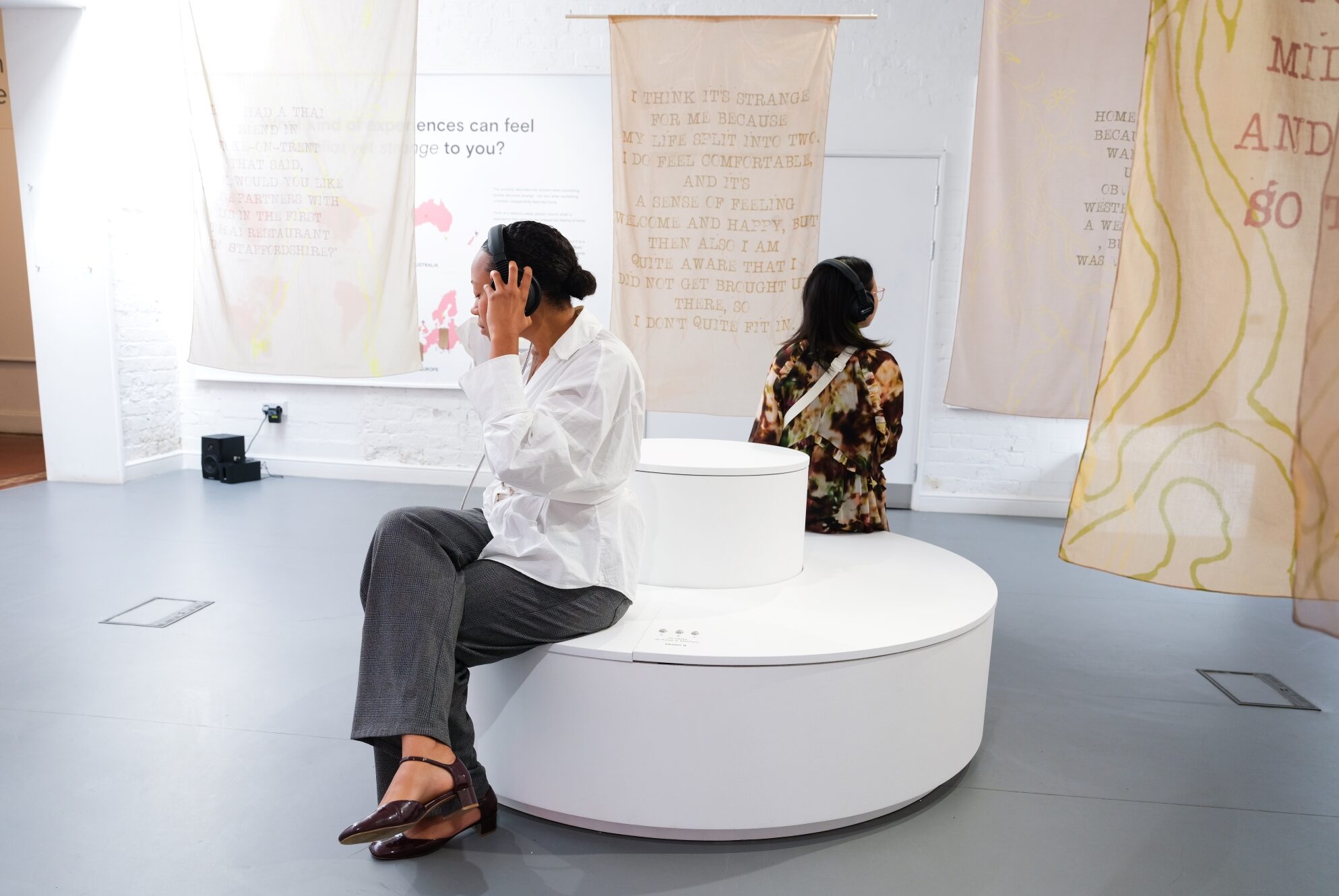
Photography: Timon Benson
The Brampton Museum, Brampton Park, Newcastle-under-Lyme, ST5 0QP
13 September – 13 December 2026
FREE ENTRY
Curated by Kymara Akinpelumi
Co-produced with North Staffordshire Community Oral History Group
Featuring Güler Ates, Ayesha Sureya and University of Staffordshire BA (Hons) Fashion students: Helina Addae and Gregory Say
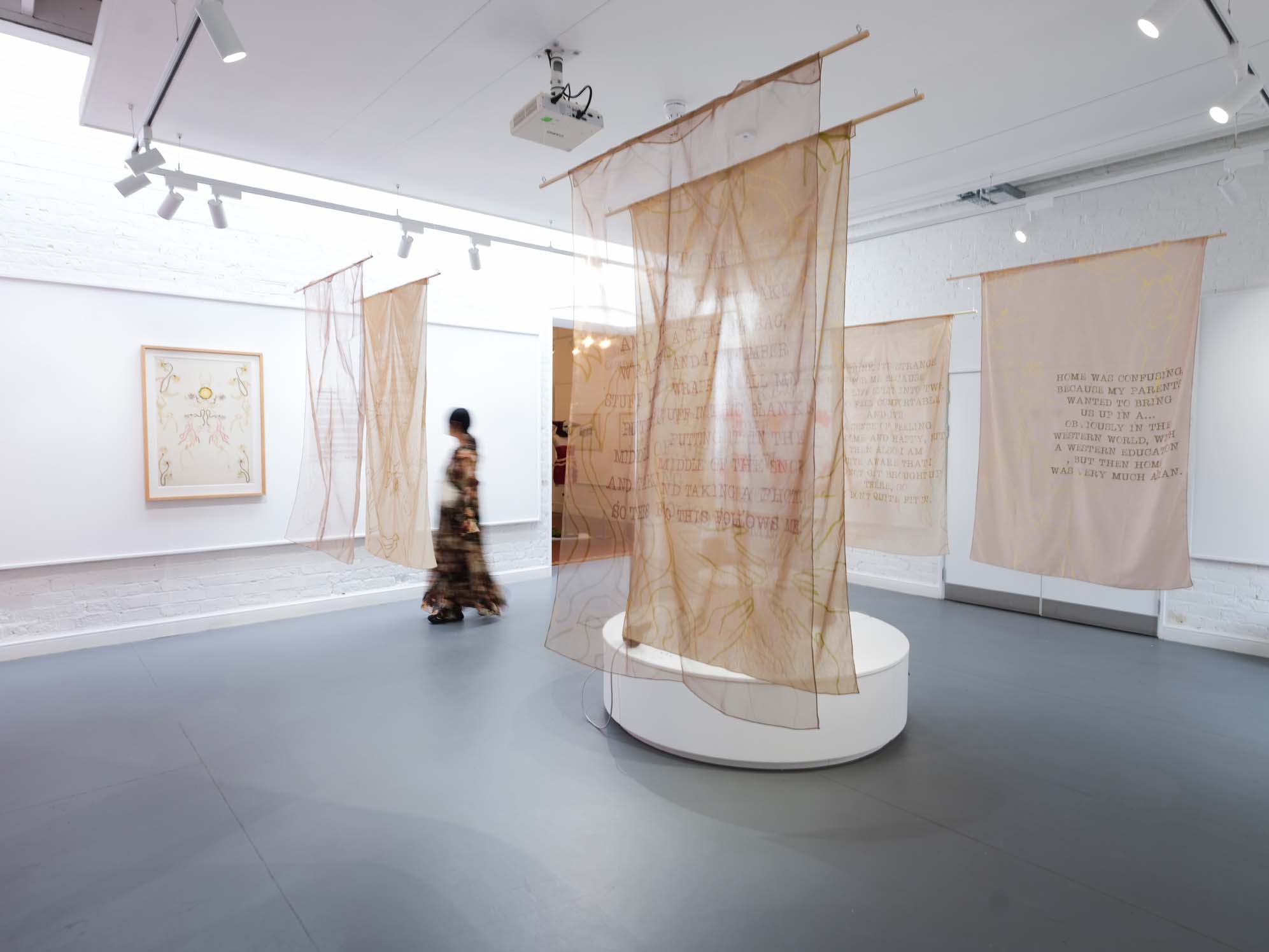
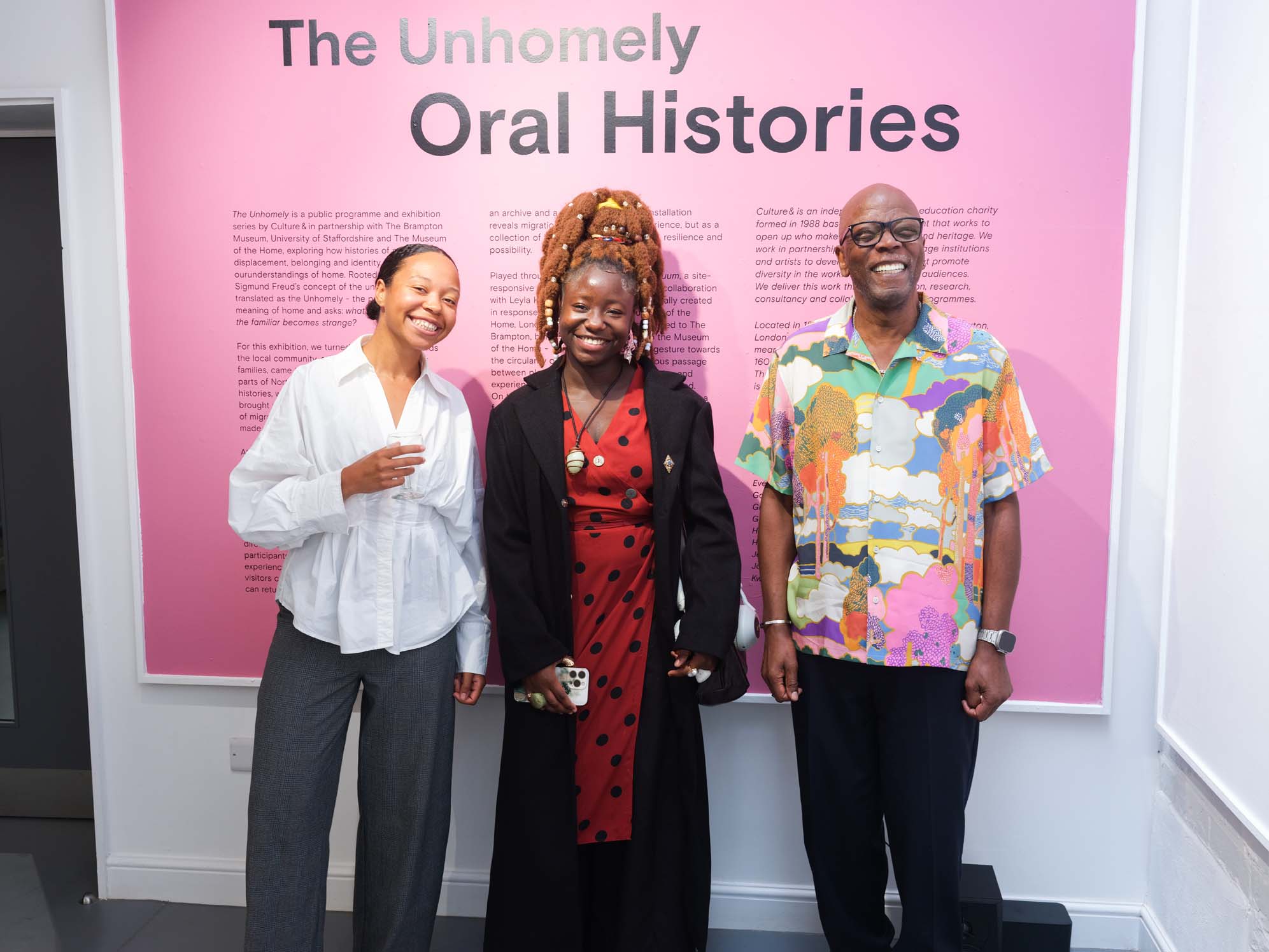
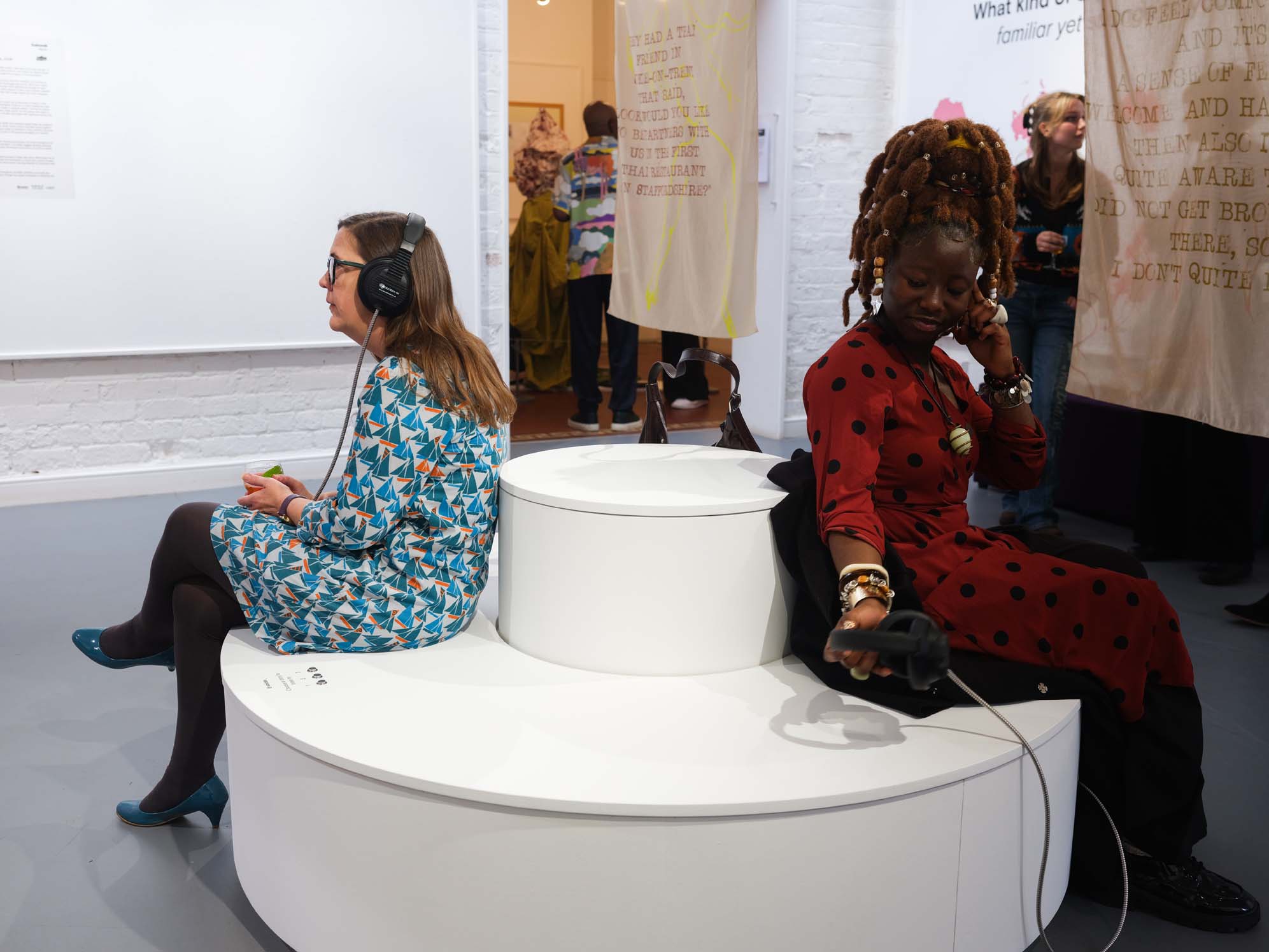
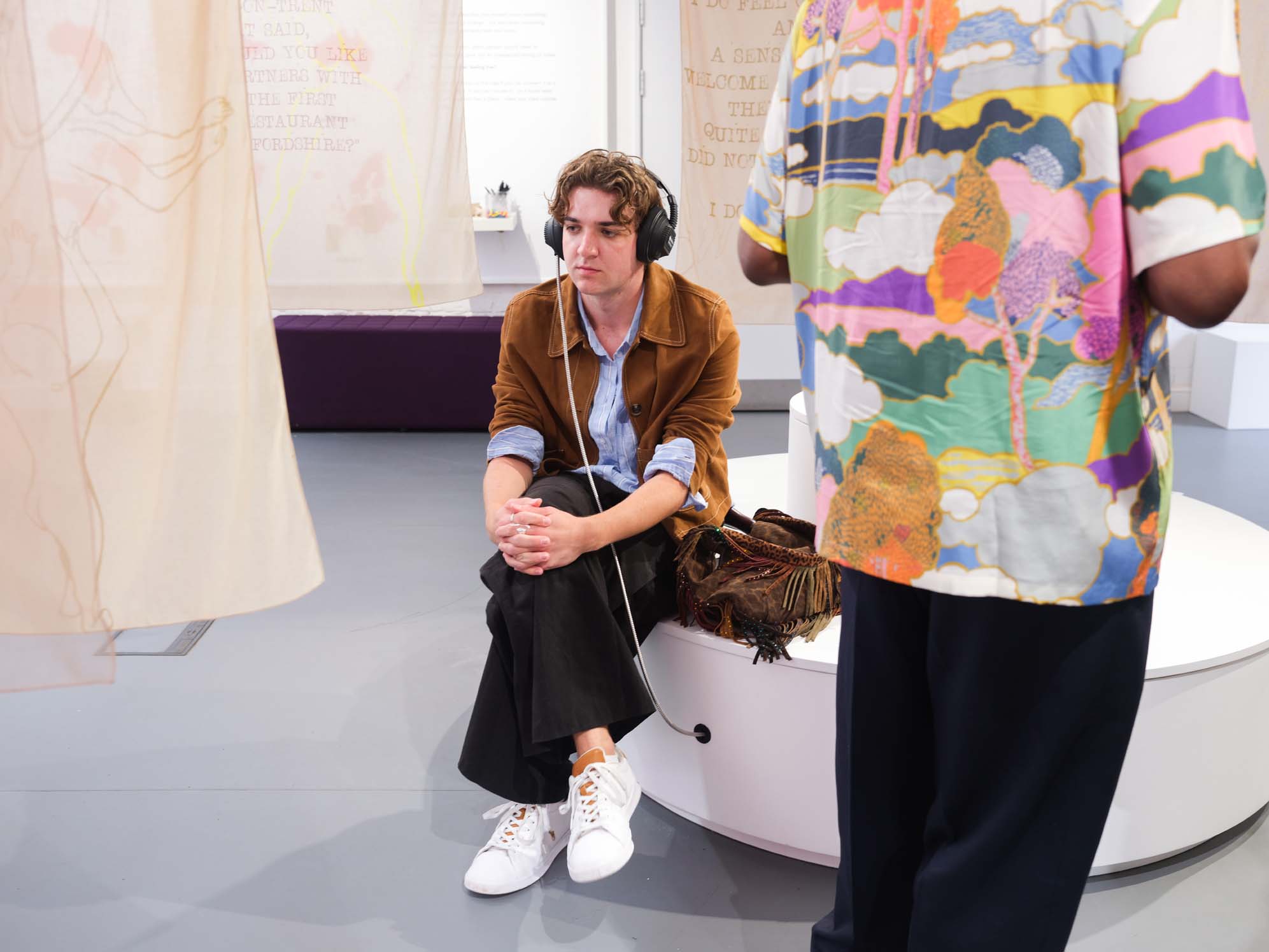
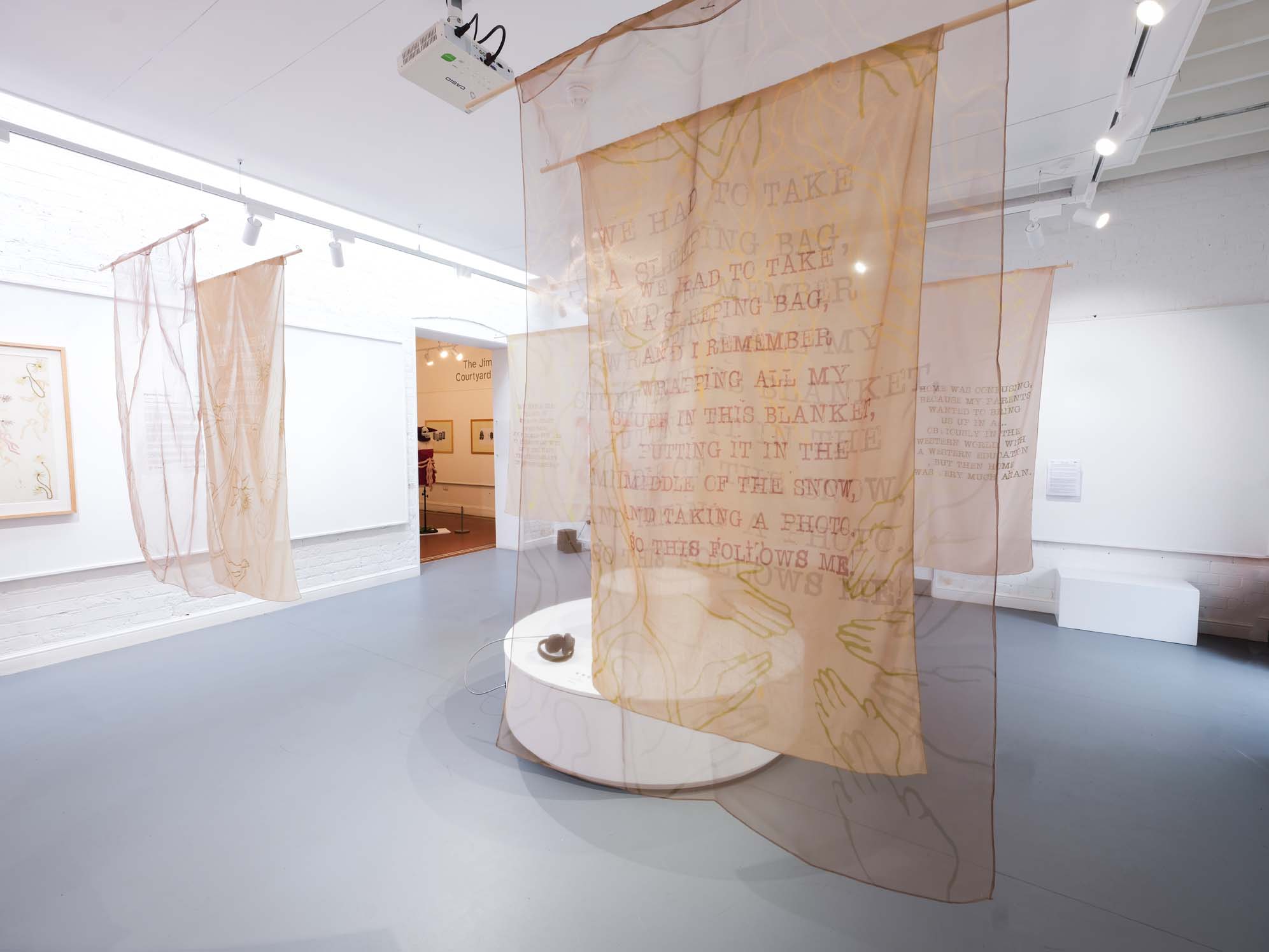
Photography: Timon Benson
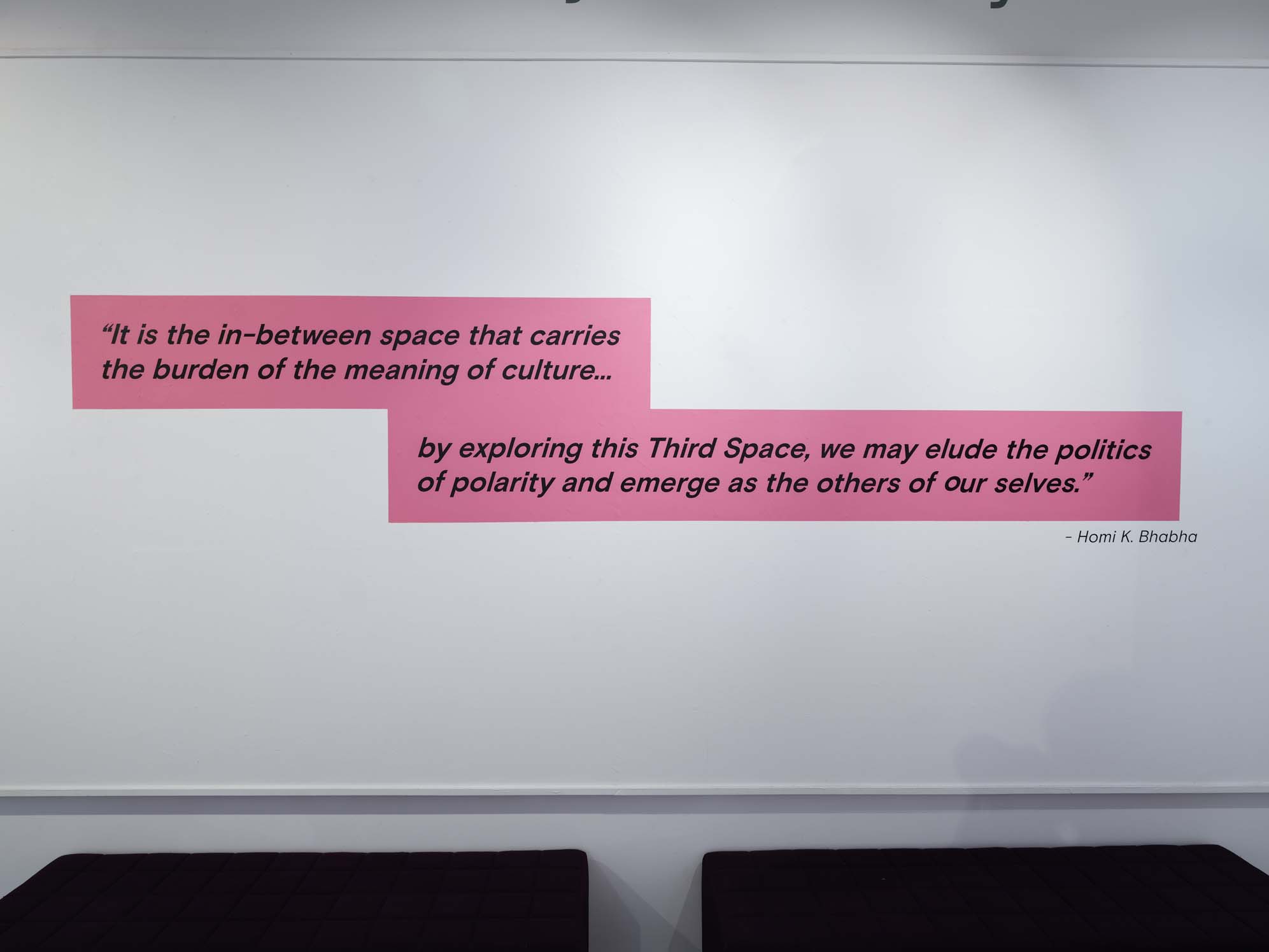
It is the in-between space that carries the burden of the meaning of culture… by exploring this Third Space, we may elude the politics of polarity and emerge as the others of our selves
– Homi K Bhabha (The Location of Culture, 1994).
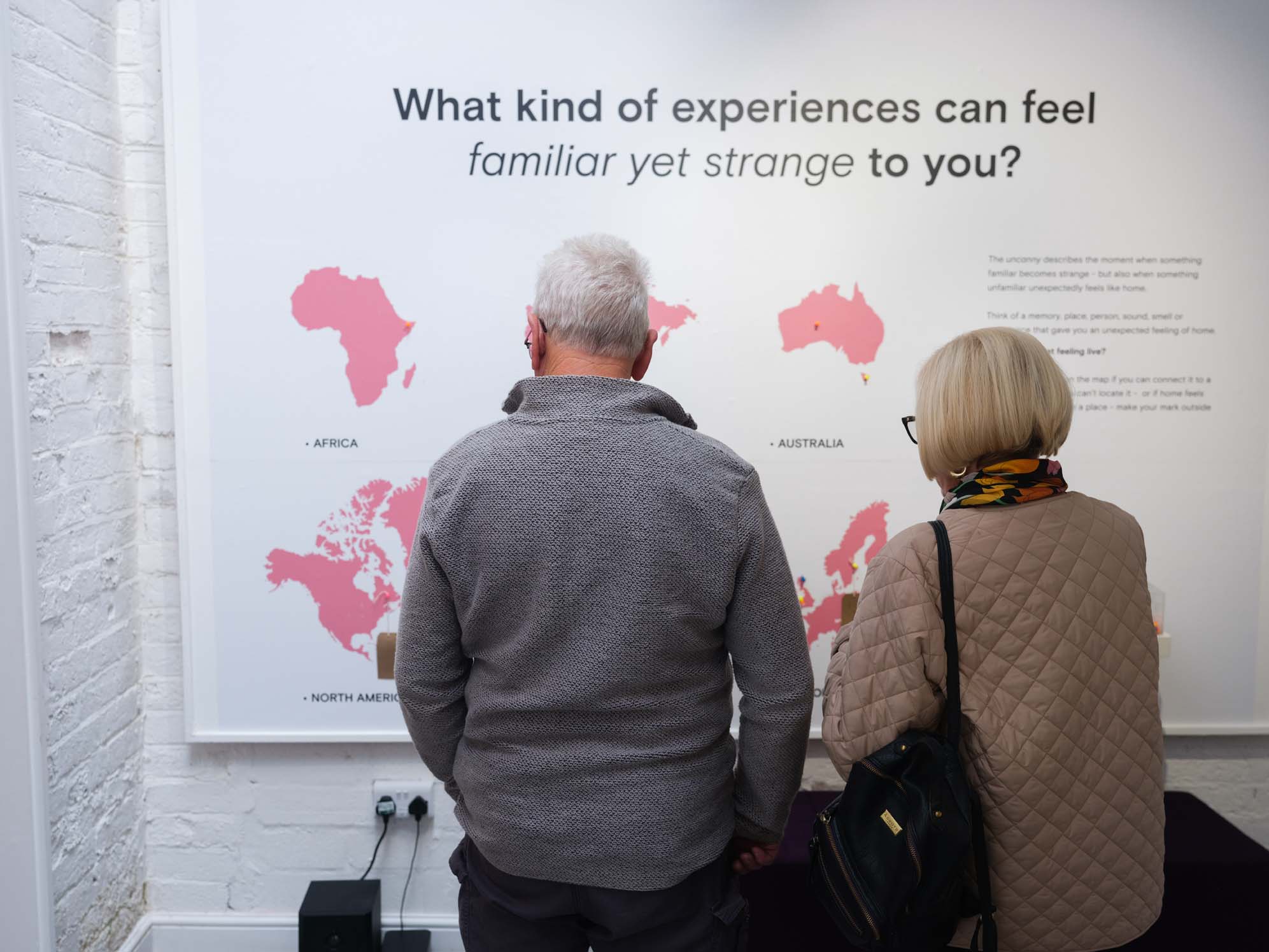
The Unhomely is a public programme and exhibition series curated by Culture& in partnership with The Brampton Museum, Newcastle-under-Lyme, University of Staffordshire and Museum of the Home in London, exploring how histories of migration, displacement, belonging and identity shape our understandings of home. Rooted in psychoanalyst Sigmund Freud’s concept of the uncanny – also translated as the Unhomely – the project explores the lived experience of home and asks: what does it mean when the familiar becomes strange?
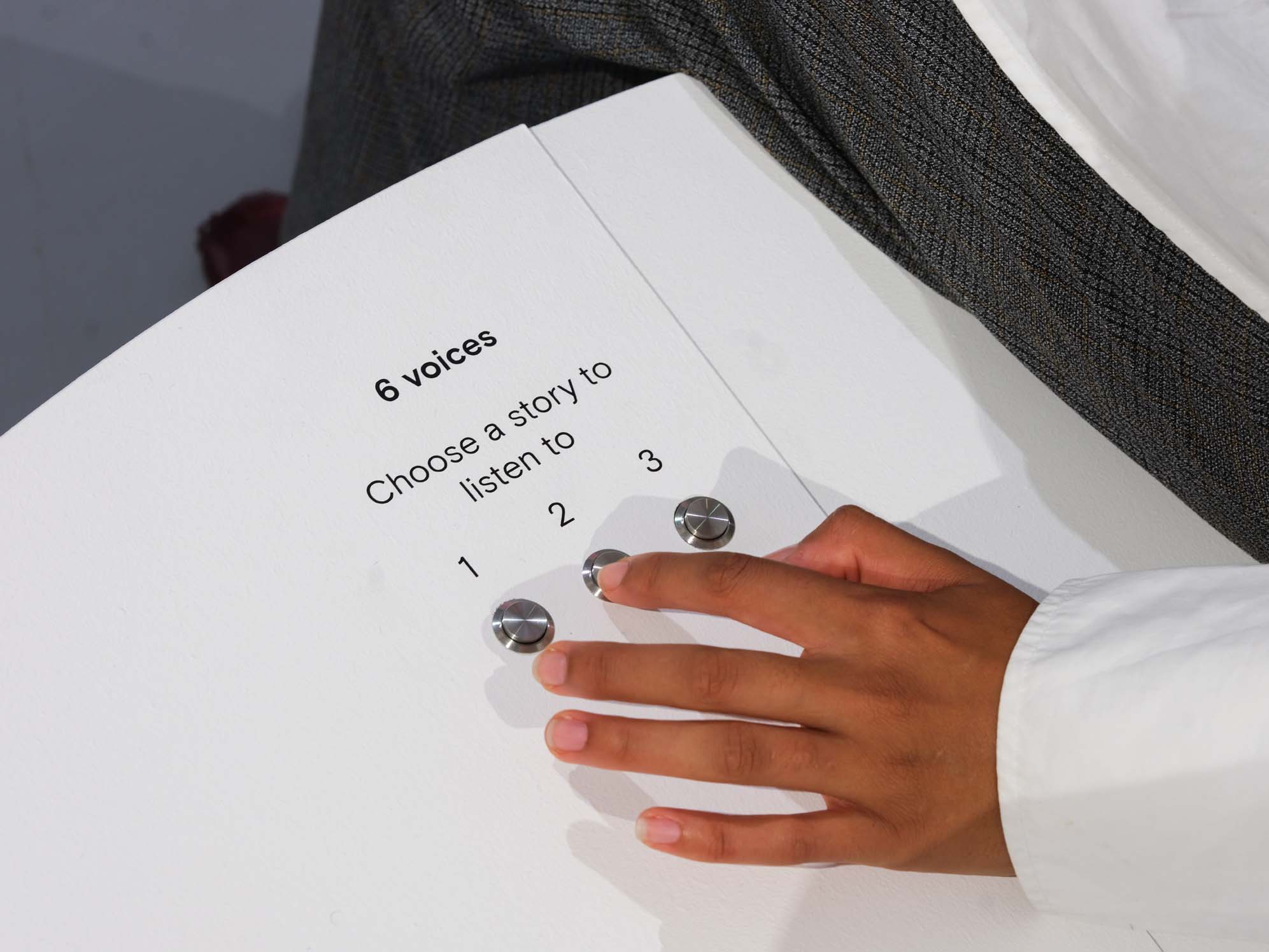
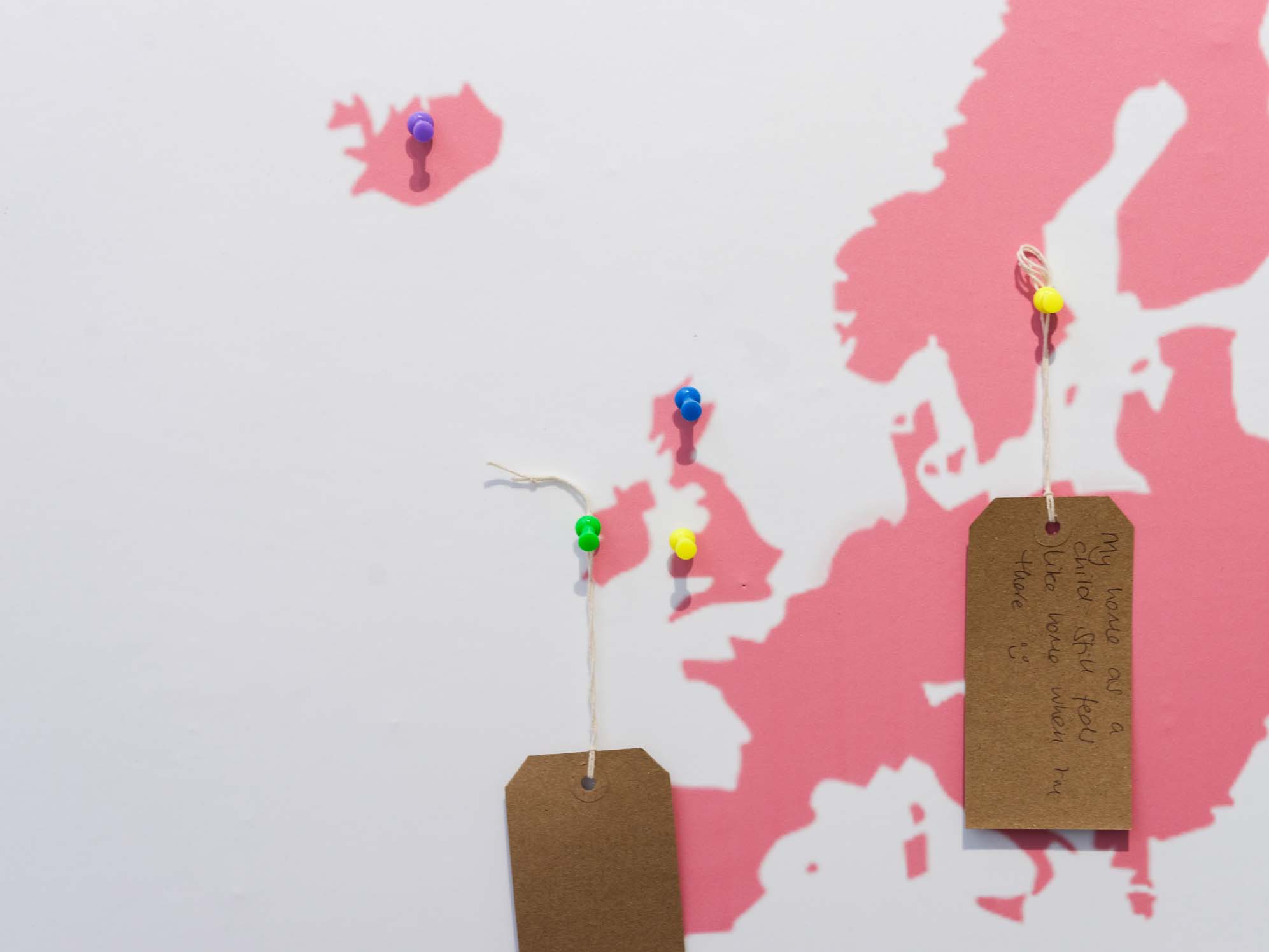
We turned this question towards the local community, asking how people, or their families, came to live in Stoke-on-Trent and other parts of North Staffordshire. Through a series of oral histories, we began to trace the many routes that have brought people to the region, revealing the complexity of migration and the different ways in which home is made, carried and remembered.
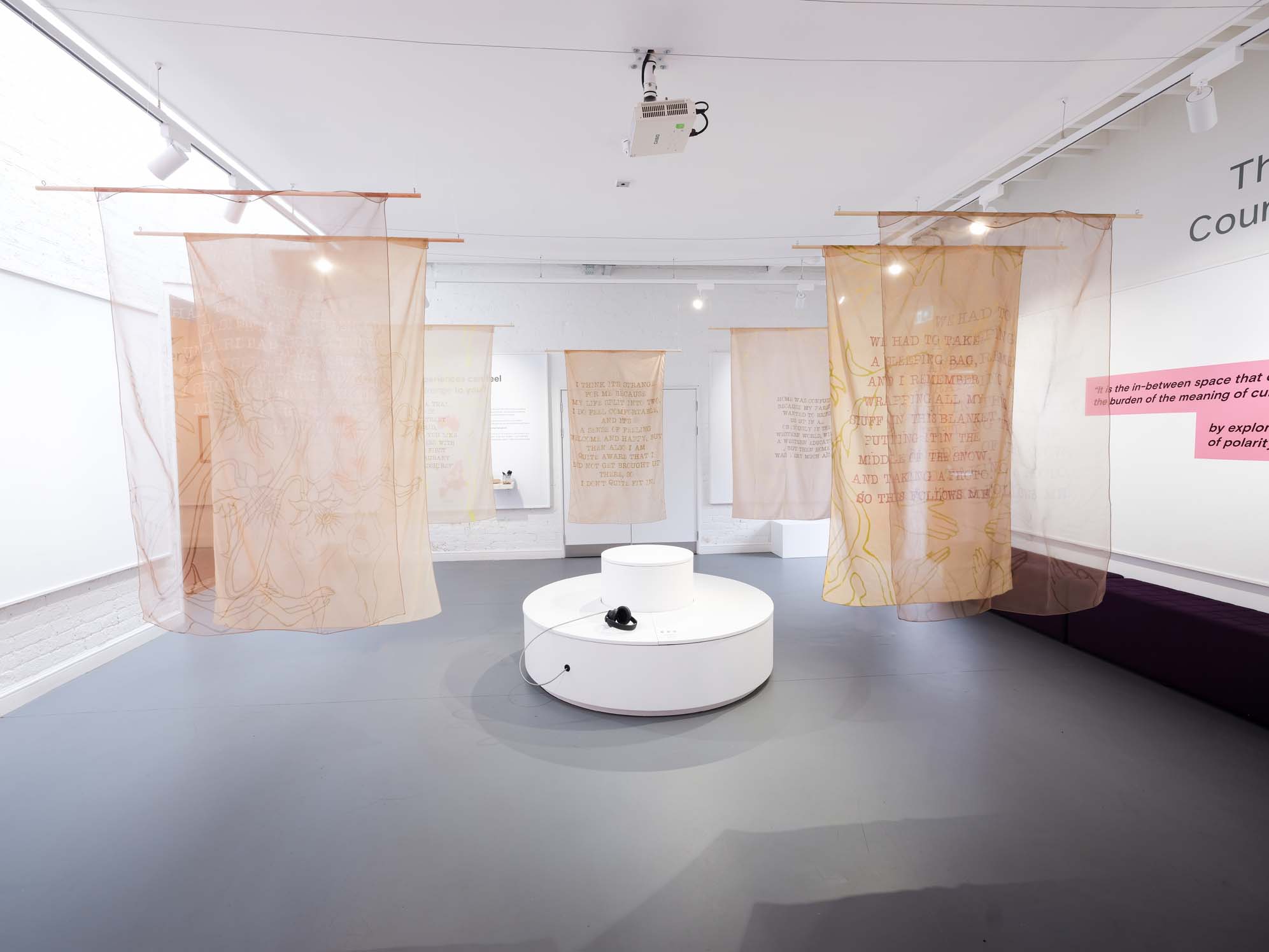
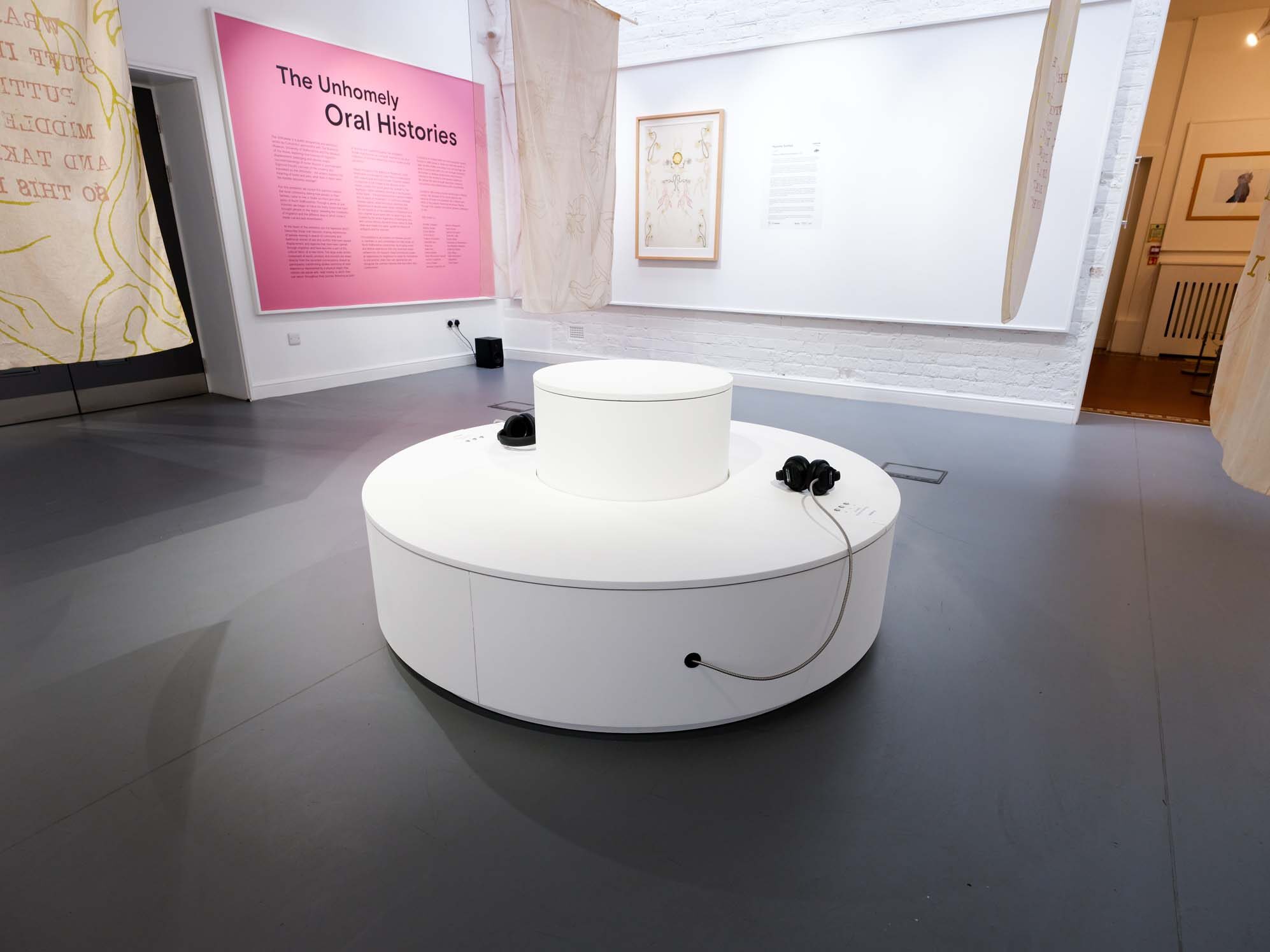
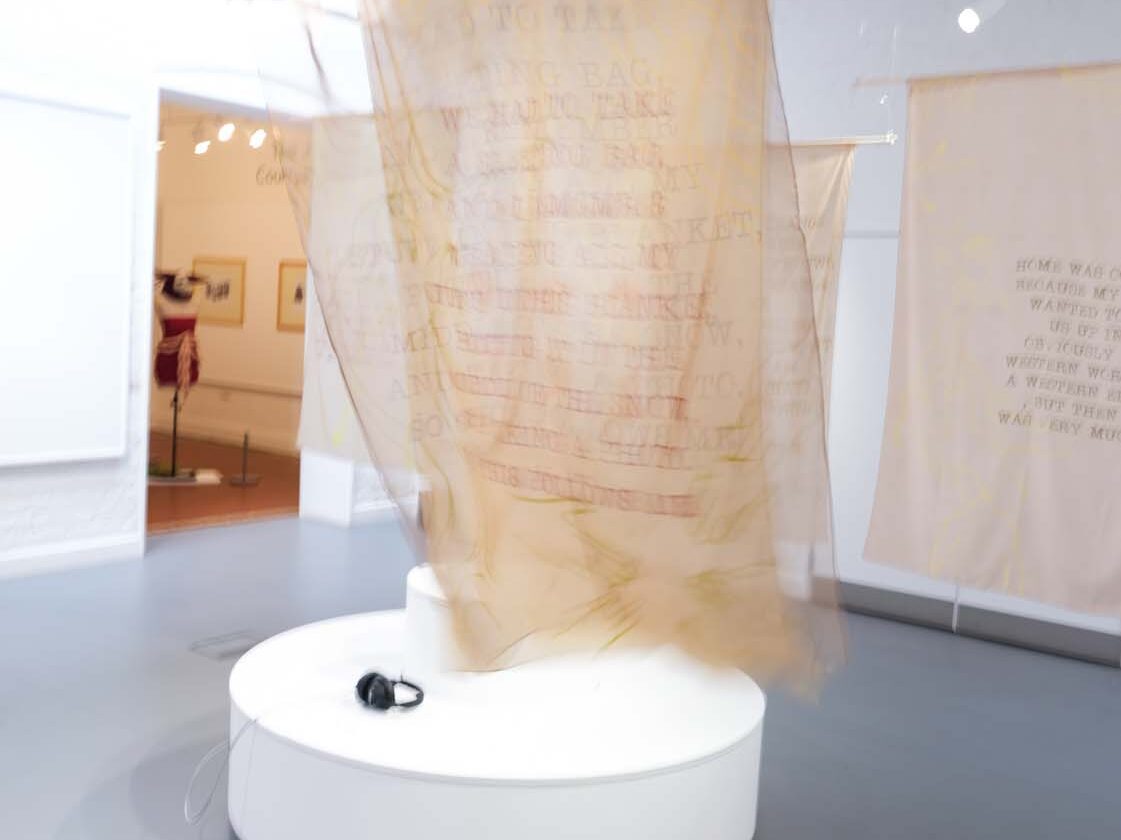
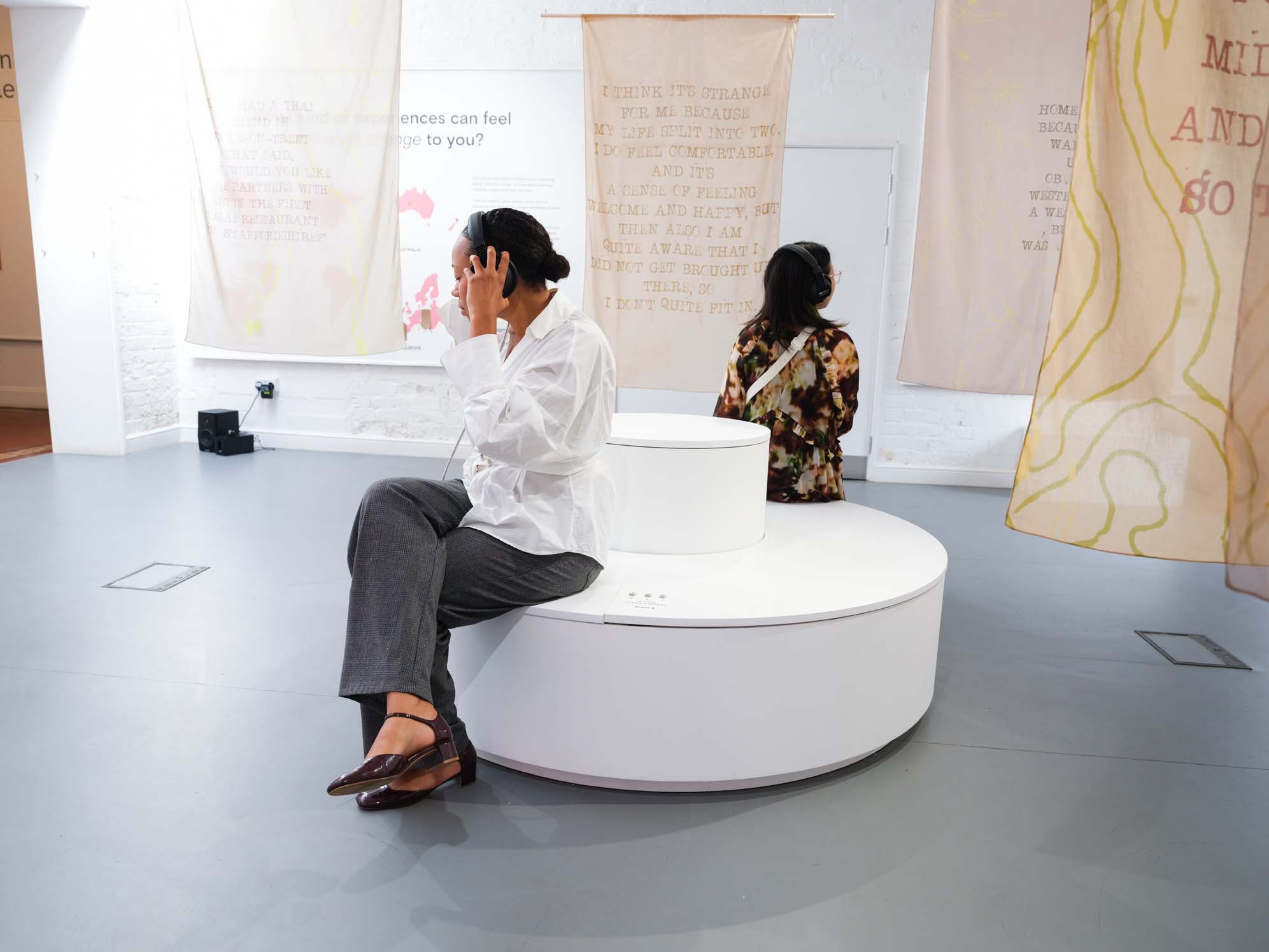
At the heart of the exhibition are the tapestries which transcribe these oral histories: sharing experiences of people moving in search of community and livelihood; stories of war and conflict that have caused displacement; and legacies that have been carried through migration and have become a part of the cultural fabric of a new home. The large-scale textiles composed of words, phrases, and excerpts are drawn directly from the recorded conversations shared by participants, transforming spoken testimony of lived experience represented by a physical object that visitors can pause with, read closely, to which they can return throughout their journey.
Played throughout the space is In Perpetuum, a site-responsive continuous soundscape with no beginning and no end by Güler Ateş, in collaboration with Leyla Huysal and Yusuf Huysal. Originally created in response to the Chapel at the Museum of the Home, London, the sound piece has travelled to The Brampton Museum, before ultimately returning to the Museum of the Home – this journey becomes a gesture towards the circular movement of people – and a continuous passage between places, where the voices, memories and knowledge never remain entirely fixed. Created by the artist’s experience of belonging, loss and cultural memory, the work invites visitors to slow down and inhabit the space, guided by themes of ambiguity and the unknown.
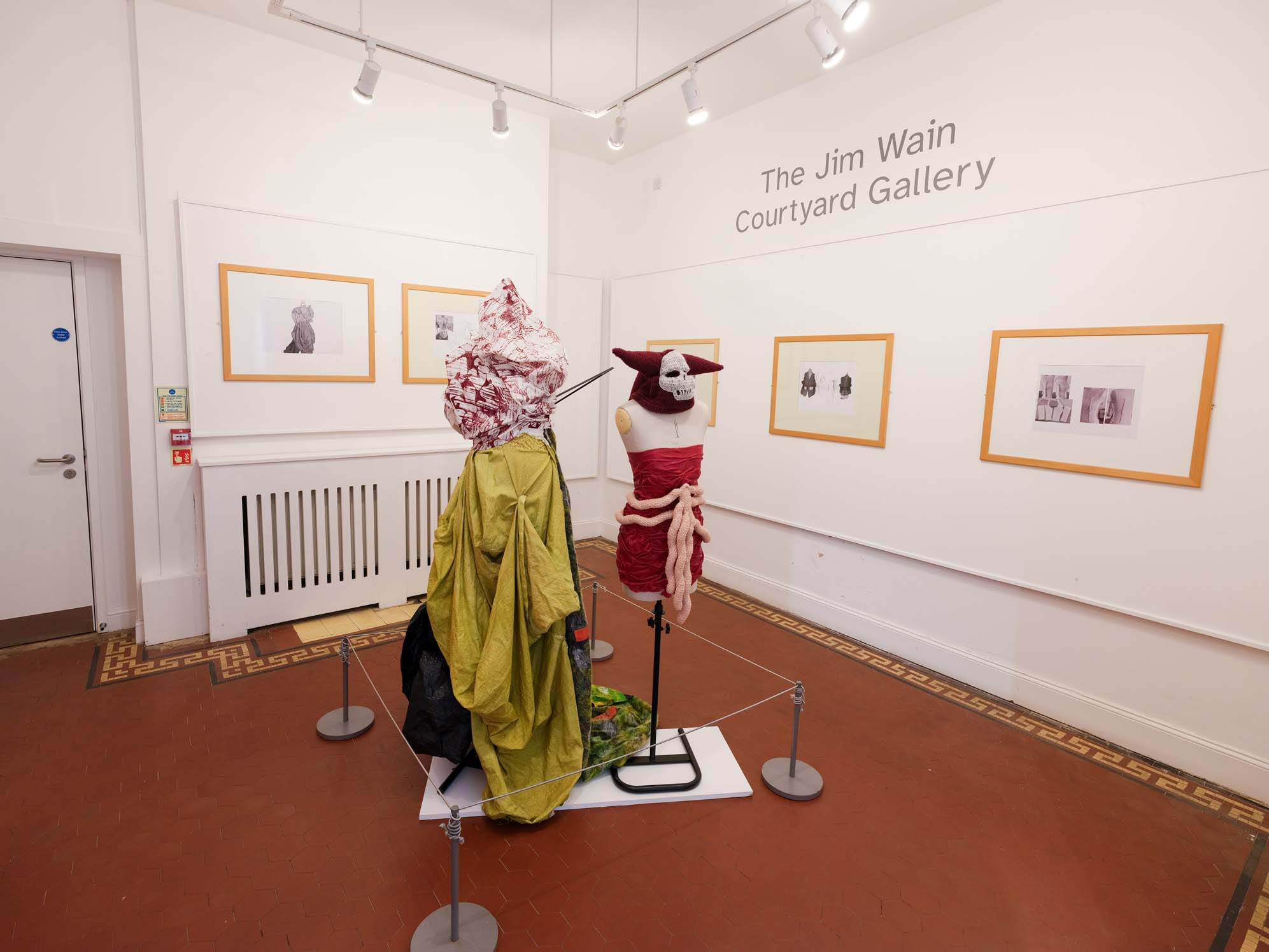
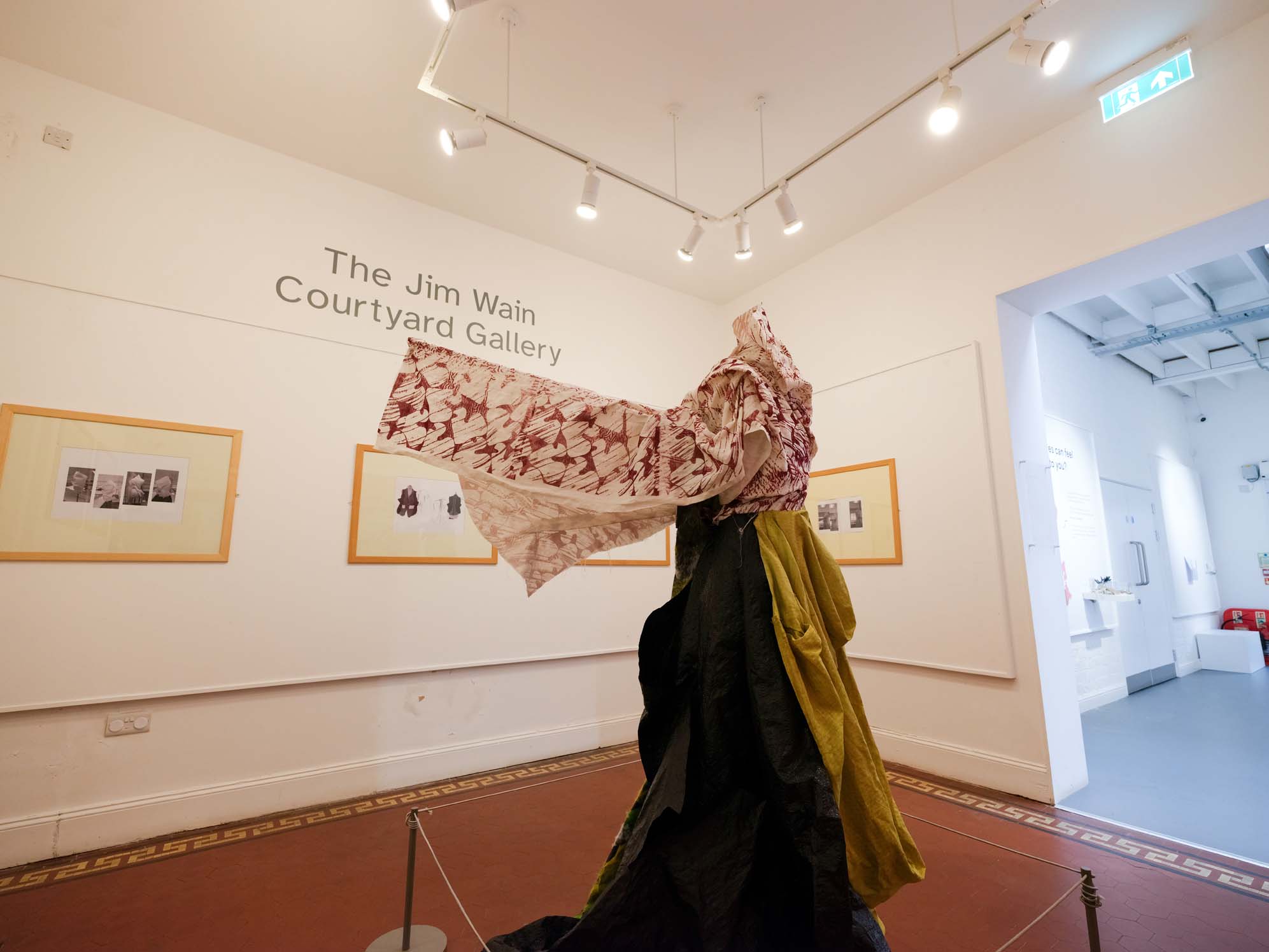
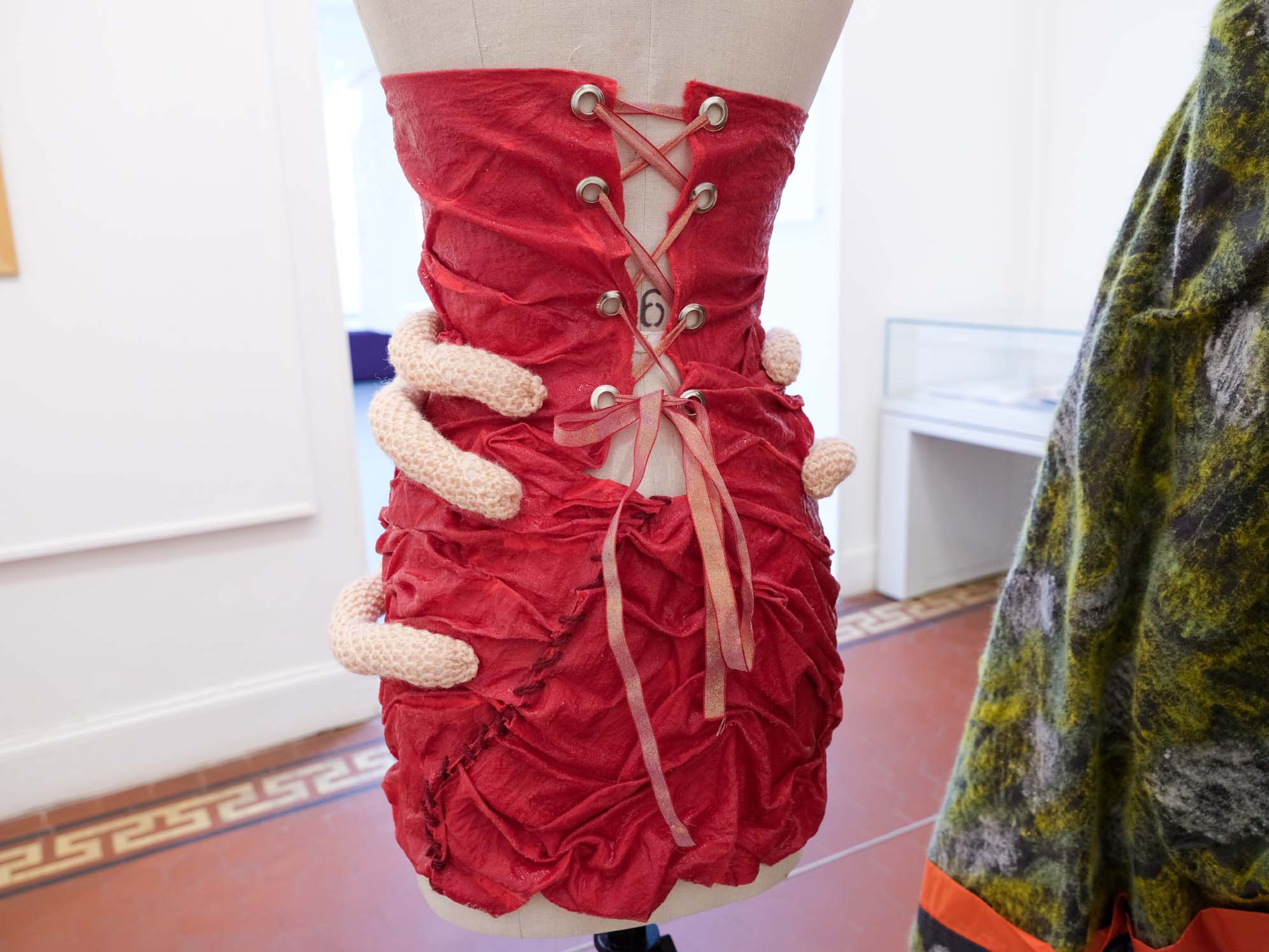
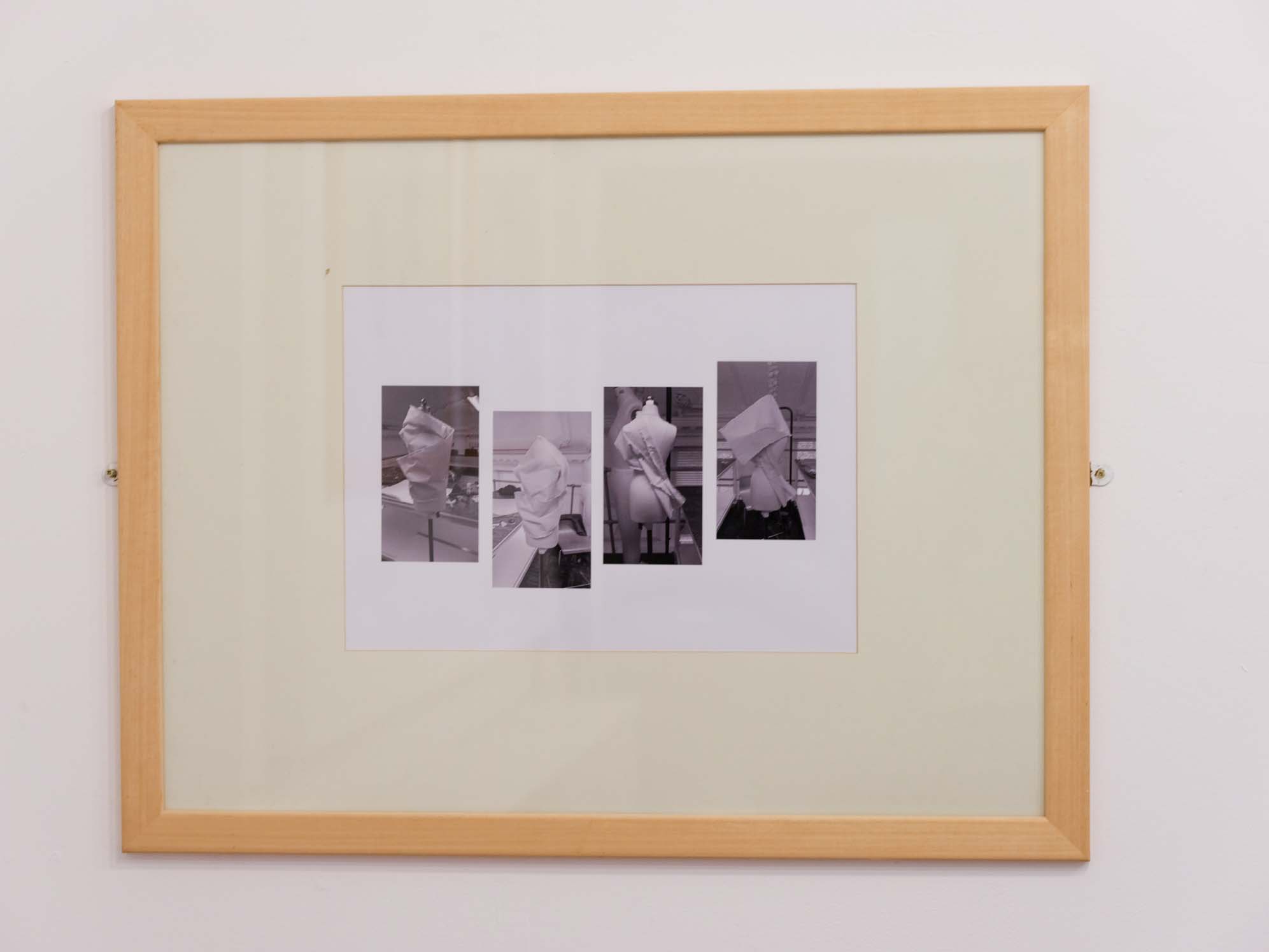
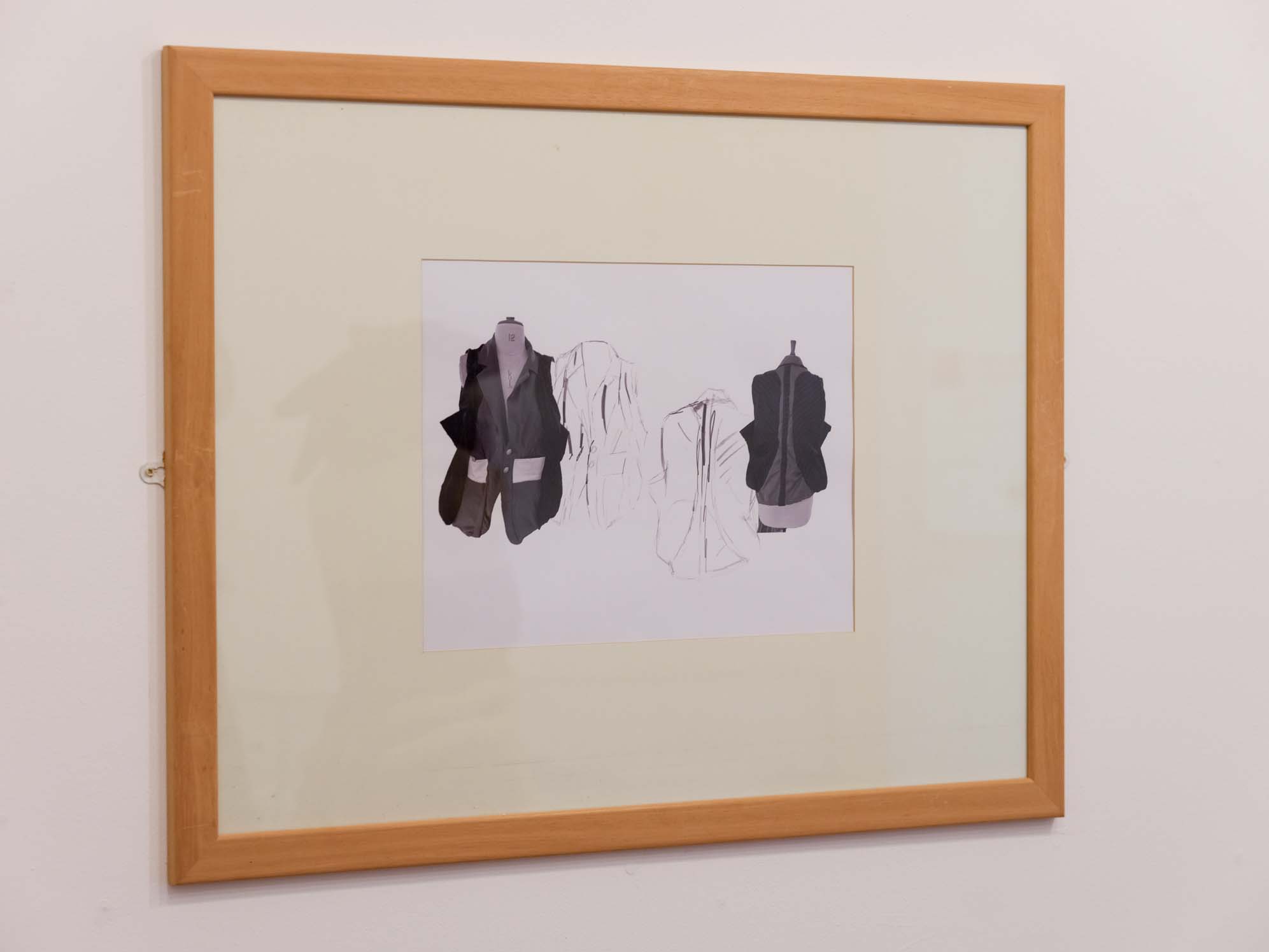
As part of The Unhomely, first-year BA (Hons) Fashion students at University of Staffordshire were invited to explore the question what happens when the familiar becomes strange? through research, material investigation and creative practice to produce experimental fabrics and garments that express the familiarity and strangeness that the exhibition is exploring. Helina Addae and Gregory Say’s works are selected to be displayed in the exhibition in the Threads of The Uncanny section of the exhibition.
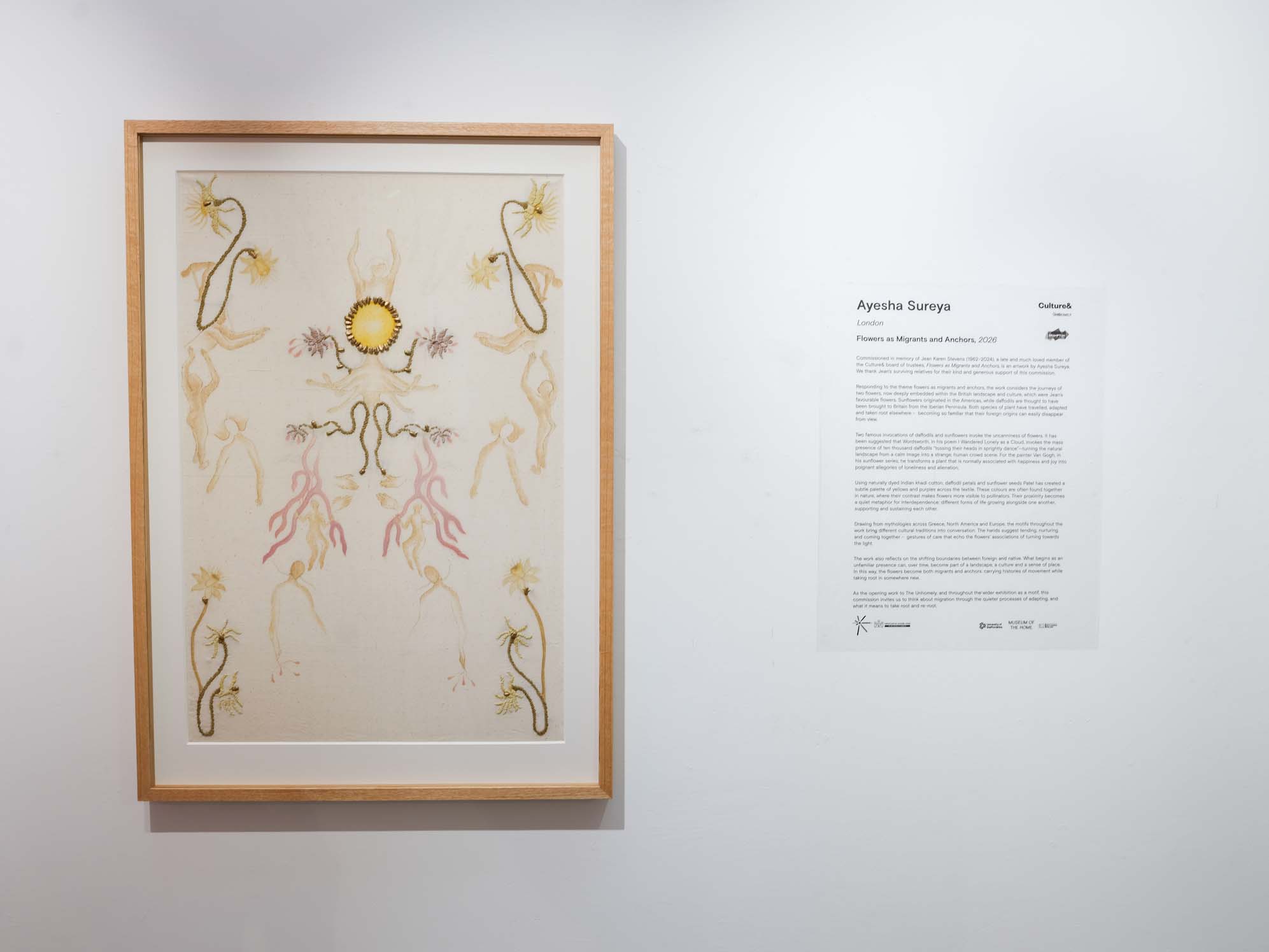
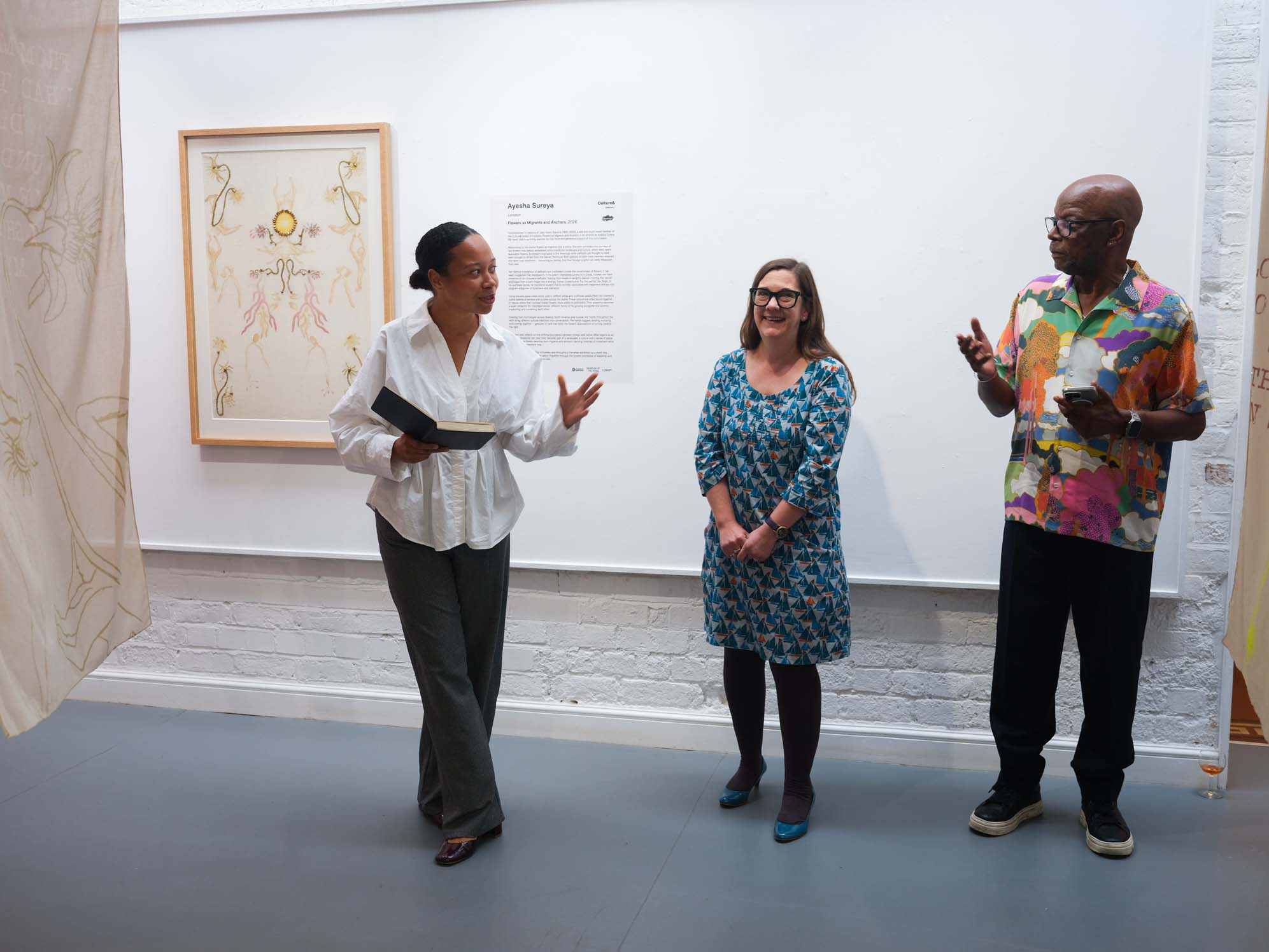
Flowers as Migrants and Anchors is an artwork by Ayesha Sureya, commissioned by Culture& in memory of Jean Karen Stevens (1962–2024), a late and much-loved member of the Culture& board of trustees. The work considers the journeys of two flowers, now deeply embedded within the British landscape and culture, which were Jean’s favourites: sunflowers and daffodils. Sunflowers originated in the Americas, while daffodils are thought to have been brought to Britain from the Iberian Peninsula. Both species of plant have travelled, adapted and taken root elsewhere from their original home – becoming so familiar in their new location that their foreign origins can be easily overlooked. As the opening work to The Unhomely, and throughout the wider exhibition as a motif, this commission invites us to think about migration through the quieter processes of adapting, and what it means to take root and re-root.
This exhibition is an invitation to immerse yourself in, meditate on, and contemplate the lived stories of North Staffordshire communities. By bringing voices and diverse experiences that may otherwise remain unheard into the museum, these oral histories create an opportunity for neighbours to speak for themselves, to one another, share their own experiences and recognise the common histories that exist within their communities.
Dr Errol Francis, Artistic Director and CEO, Culture&
We are excited and proud to have collaborated with The Brampton Museum and the Kwanzaa Collective UK to present a programme that started at the Museum of the Home in London and work with local communities in North Staffordshire as well as students at the University of Staffordshire. The exhibition expresses Culture&’s mission to present great art and underrepresented stories that everyone in our communities can enjoy.
The Brampton Museum
The Brampton Museum are delighted to be part of The Unhomely programme, working with national and local partners to host The Unhomely exhibition and a range of related events and activities including film showings and workshops. Running alongside The Unhomely is our Where We Come From, Where We Go exhibition on show in the Spotlight Gallery. Working with collection objects is tells the story of the movement of people to and from North Staffordshire.
Güler Ates
In Perpetuum sound installation explores the notion of unhomely spaces, where familiarity and estrangement coexist. The work reflects on how spaces and sounds associated with home, community, and memory can feel simultaneously intimate and alien, revealing the tensions and ambiguities inherent in the act of belonging.

