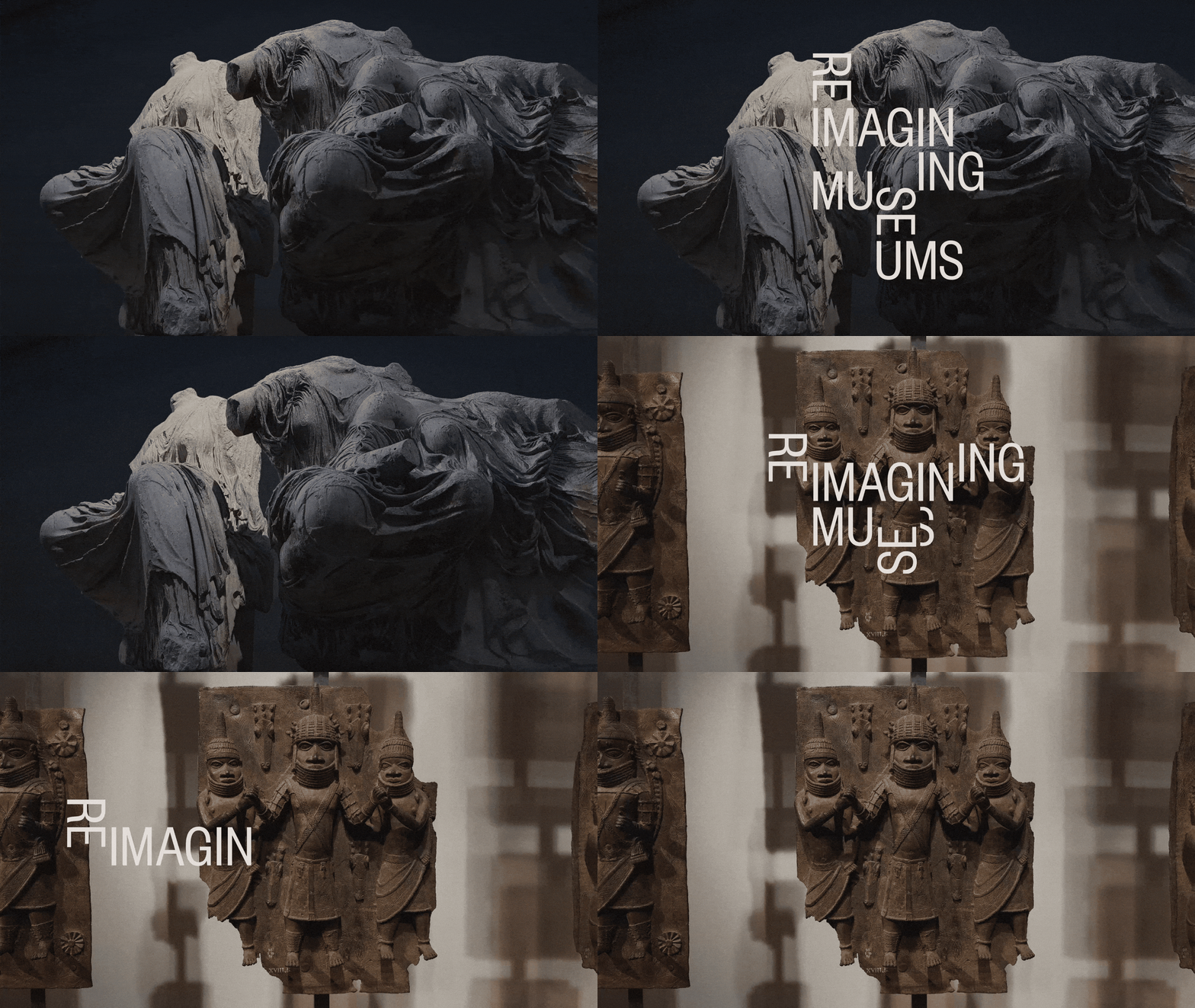
Culture& is collaborating with the Ethox Centre at the University of Oxford as co-investigators on the Discovery Research Platform for Transformative Inclusivity in Ethics and Humanities Research (ANTITHESES).
Related pages
- [Sept – Nov 2026] Reimagining Museums Webinar Series
- Reimagining contested objects: To whom does Nefertiti belong?
- Engaging with Ethical Disagreements in Museums
- (Un)tethered Objects Workshop at the Royal Geographical Society
- April Fakes Day 2026: Scientific racism and prejudicial measurement, Dr Errol Francis
- April Fakes Day 2025: The British Museum Crystal Skull, Samuel Pontin
- April Fakes Day 2024: Bust of Queen Nefertiti, Dr Errol Francis
The research, funded by Wellcome, plans to develop new concepts, methods and tools that address issues of conflicting values in society, including real-time digital mapping of value disagreements and facilitating engagement with excluded voices and problems.
The ANTITHESES Platform for Transformative Inclusivity in Ethics and Humanities addresses an urgent need for research able to engage meaningfully with the radical value disagreements, polarisation, and informational uncertainty characteristic of contemporary medical science, practice, and policy.
Available approaches to ethics and humanities research lack the concepts, methods, and tools to do this work. They have insufficient diversity of voices, are overly safe and conservative, and overwhelmingly Western. They have tended to exclude some problems and values as not ‘worthy’ of investigation or ‘too difficult’. New approaches are needed.
The Platform’s activities, which will develop and test tools and methods for achieving this are organised under six complementary and connected thematic programmes. Bringing together expertise from history, philosophy, fine arts, design bioethics, sociology, and global bioethics, each programme addresses a different need for new concepts, methods, digital tools, and collaborative partnerships capable of engaging with radical value disagreements in medical science, practice, and policy. To ensure that they work effectively together, and benefit from expertise in other disciplines, our ‘connectors’ programme will engage with problems arising out of the convergence of these challenges to foster collaboration.”
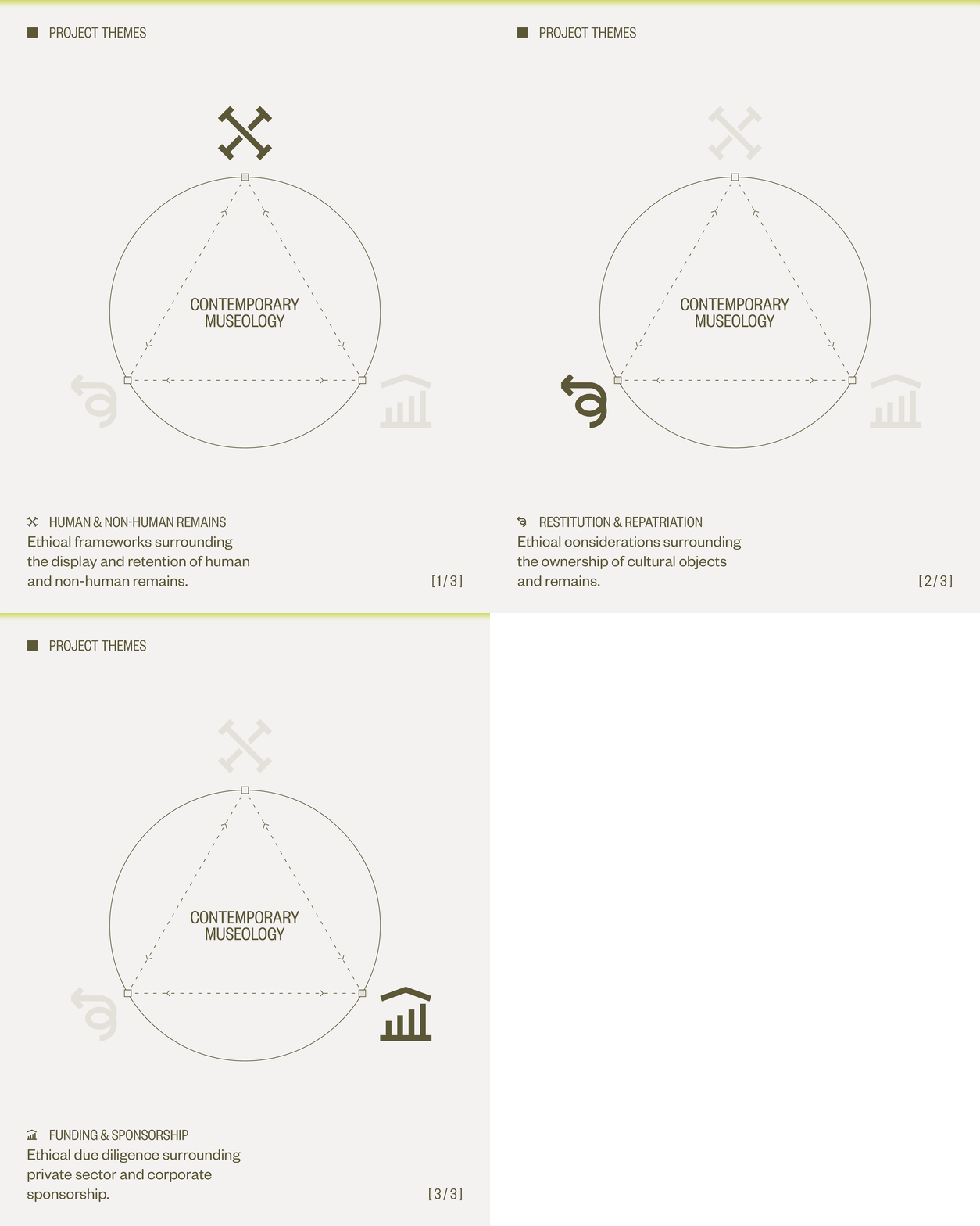
Culture& aims to address current conflicts around four crucial ethical challenges facing museums:
- Is it any longer acceptable and what are the alternatives to killing animals so we can look at and study them in museums?
- Under what circumstances can human remains be displayed in museums and, if so, what kind of consents and ethical frameworks should be in place?
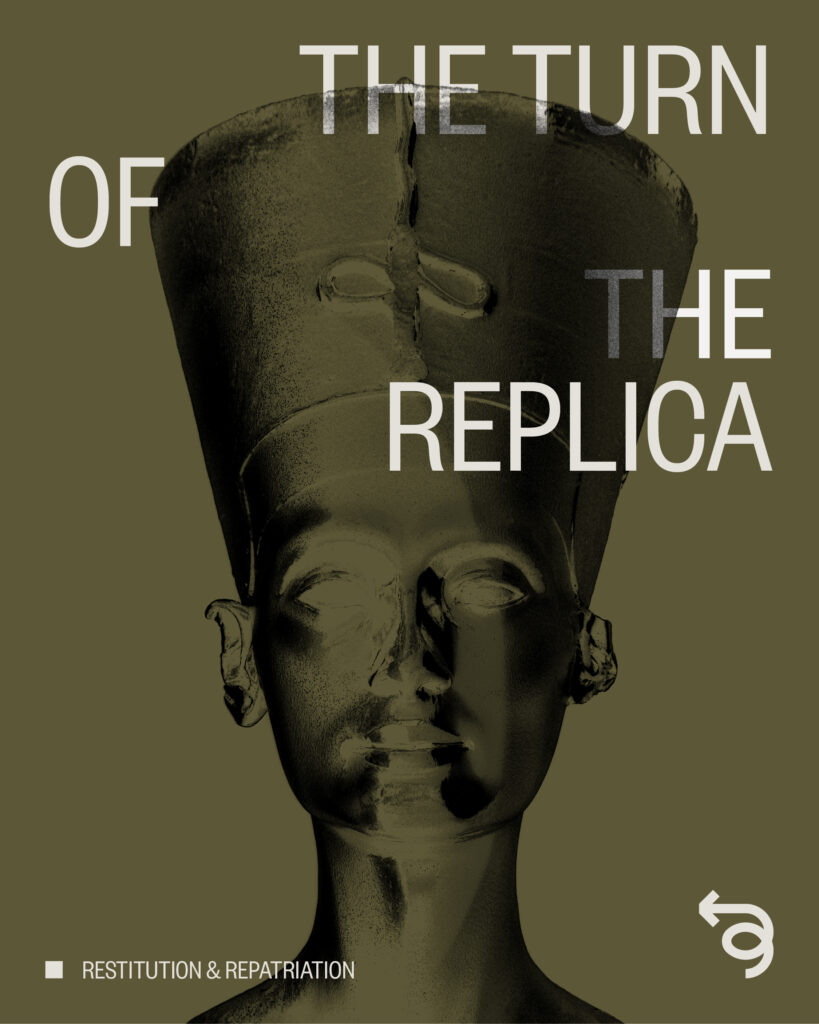
- What role could replicas, physical or digital, play in the restitution of disputed and stolen heritage?
- What should ethical due diligence look like for the funding and sponsorship of museums?
Later this year, we will announce the museum partners who will be collaborating on this ground-breaking research to be conducted with heritage professionals and audiences. We are looking forward to getting started on this exciting journey of enquiry that we hope will contribute to increased understanding and cooperation in humanities and heritage.”